Ultimate Guide: What to Do Before Emergency HVAC Help Arrives in Greenville, SC
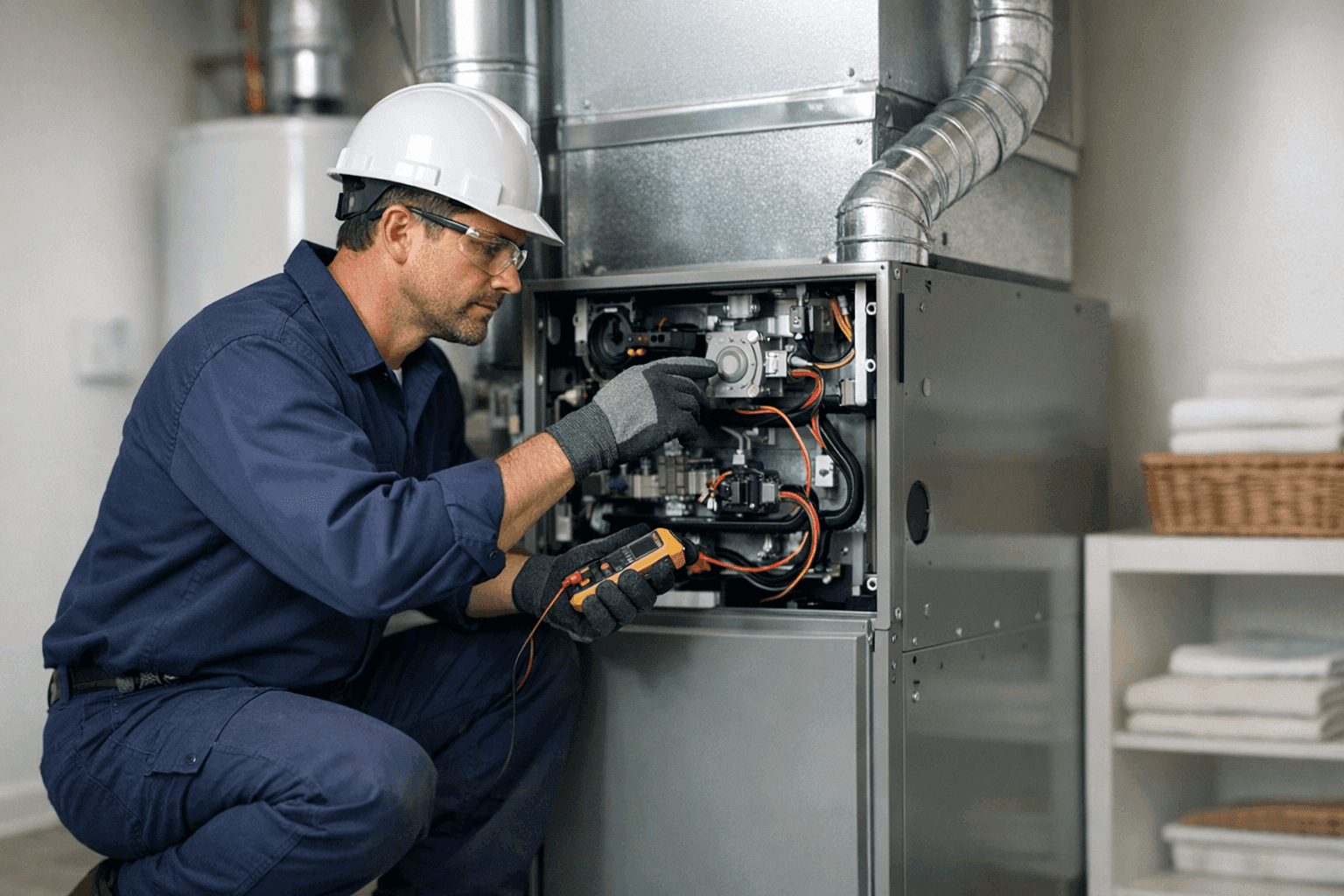
When your home suddenly goes silent on a muggy July night or your furnace quits during a bone-chilling Greenville freeze, panic can set in fast. Sweat beads up. You worry about the kids, the pets, the pipes. At GV Heating & Cooling, we know these moments are more than inconvenient—they can be stressful, even dangerous.
Every minute matters. That’s why our family-owned team responds quickly to emergency HVAC calls across Greenville, SC. But before our certified techs arrive, there are crucial steps you can take to stay safe and protect your home.
When the Unexpected Happens: The Scenario
Imagine this: It’s the peak of summer. Greenville’s humidity clings to the walls, and your AC suddenly sputters out. Or, it’s a frosty winter night, and the furnace just stops. Maybe you hear odd noises, smell something burning, or see water pooling near your system.
Whether it’s a silent thermostat, a blown fuse, or a full system shutdown, the first few minutes matter most. Acting quickly and calmly can make all the difference.
Immediate Safety Checks 🔥
Before you do anything else, step back and take a breath. Safety always comes first.
- Check for electrical dangers:
If you smell burning, see smoke, or spot scorched wires, turn off your HVAC system immediately at the breaker. Avoid touching anything wet or sparking. - Sniff for gas leaks:
If you suspect a gas leak (rotten egg smell), leave your home right away. Don’t use light switches or phones inside—call 911 from outside. - Look for water leaks:
Pooling water near HVAC equipment can mean burst pipes or blocked drains. Mop up standing water to prevent slips, but avoid direct contact with electrical components. - Temperature spikes:
If it’s freezing out and your heat stops, open cabinets under sinks to let warm air reach pipes. In a heatwave, close blinds and use fans. - Children and pets:
Move them to a safer, more comfortable area while you assess the situation.
If anything seems life-threatening, don’t wait—get out and call emergency services.
Protecting Your Home and Belongings 🛡️
Once you’ve checked for immediate dangers, take steps to minimize further damage:
- Prevent frozen pipes:
In winter, keep faucets on a slow drip and open interior doors to help warm air circulate. - Manage humidity:
In summer, use portable dehumidifiers or fans to keep air moving and lower moisture. - Unplug electronics:
Surges can happen after outages. Unplug sensitive devices near the affected area. - Move valuables:
If you see leaks, relocate electronics, important documents, and furniture. - Block drafts:
Use towels at door bottoms to keep cold or hot air from spreading.
A few quick moves can save you from bigger headaches later.
What NOT to Do: Avoiding Costly Mistakes
It’s tempting to play detective. But when it comes to emergency HVAC repair, some fixes are best left to professionals.
- Don’t open the unit:
Modern HVAC systems are complex. Removing covers can risk electric shock or worsen the problem. - Skip risky DIY repairs:
Fixing fuses, wiring, or gas connections without training can be dangerous. Even YouTube can’t replace hands-on expertise. - Don’t ignore strange smells or noises:
Burning smells, metallic screeches, or frequent cycling are red flags—don’t shrug them off. - Avoid using space heaters unsafely:
Never leave portable heaters unattended or near flammable materials.
Trying to save a few bucks can lead to bigger repair bills—or worse, safety hazards.
When to Call a Professional (and When to Wait)
How do you know it’s time to pick up the phone? Here’s a quick guide:
- If you have no heat or cooling and temperatures are extreme
- If you smell gas, smoke, or see sparks
- If your system trips breakers repeatedly
- If water is leaking from or near your HVAC unit
- If you’ve tried basic troubleshooting (checking thermostat, replacing filters) with no luck
Greenville’s weather doesn’t mess around. Don’t gamble with your comfort or safety.
What to Expect During a GV Heating & Cooling Emergency Visit
Once you’ve called us, here’s how we handle your emergency:
- Prompt response:
Our local technicians are on call 24/7. We’ll give you a clear arrival window and updates if things change. - Clear communication:
We’ll listen to your concerns and explain our process in plain language—not technical jargon. - Thorough inspection:
Our techs check your system, the electrical connections, and any visible damage. - Safety-first fixes:
We make immediate repairs to restore comfort and prevent further issues. - Action plan:
If more work is needed, we’ll outline next steps—no surprises, no upsells.
You’ll see the difference local, family-owned service makes. We treat your home like our own.
Quick Safety Checklist
- Turn off HVAC at the breaker if you suspect fire, smoke, or electrical danger.
- Leave immediately if you smell gas—call 911.
- Protect pipes during cold snaps; manage humidity during heatwaves.
- Move valuables away from leaks.
- Never attempt electrical or gas repairs yourself.
Preventing Future Emergencies
The best emergency is the one that never happens. Regular maintenance goes a long way.
- Change filters every 1–3 months.
- Schedule seasonal tune-ups—especially before Greenville’s summer and winter extremes.
- Keep vents clear and outdoor units free of debris.
- Watch for warning signs: unusual noises, rising energy bills, or inconsistent temperatures.
The U.S. Department of Energy recommends annual professional maintenance for reliable performance and safety.
Costs & Time Factors
Emergency HVAC repairs can be stressful, but understanding what goes into them can help.
- Time:
Most emergency visits in Greenville last 1–3 hours, depending on the issue’s complexity. - Cost Range:
Factors include time of day, parts needed, and system type. Weekend or after-hours calls may affect pricing, but transparency is our policy. - Parts Availability:
Some repairs require special-order parts. We’ll explain your options clearly and keep you updated.
We know your time and comfort matter. Honest communication is part of our DNA.
Local/Seasonal Considerations for Greenville, SC
- Summer:
Greenville’s humid heat can turn a simple AC outage into a real emergency, especially for seniors and young children. Don’t wait to call if it’s over 90°F. - Winter:
Sudden cold snaps can freeze pipes and strain older furnaces. If temperatures are below freezing and your heat goes out, act quickly to protect your plumbing. - Storms:
Power outages and surges can impact HVAC systems. Always check your breakers and thermostats after a storm.
Our technicians know Greenville’s climate inside and out. We arrive prepared for whatever the weather brings.
Emergency HVAC FAQ
Q: What should I do if my AC stops during a heatwave?
A: Turn off the system at the thermostat, close blinds, and use fans. If indoor temps get dangerous, seek cooler shelter and call us immediately.
Q: How do I know if it’s safe to stay in my home?
A: If you smell gas, see smoke, or spot electrical hazards, leave and call 911. Otherwise, follow our safety checklist and wait for our technician.
Q: Can I reset my system to fix the problem?
A: You can try turning your system off and on at the thermostat, but avoid touching breakers or wiring if you’re not sure what you’re doing.
Q: Will emergency repair cost more?
A: Emergency visits may have higher rates due to timing, but we’ll always explain costs up front—no surprises.
Related Services
If you’re facing an urgent issue, learn more about our 24-hour emergency service or our full range of hvac repair options.
When HVAC emergencies strike in Greenville, SC, you don’t have to face them alone. GV Heating & Cooling is here to help—any hour, any day.
Call GV Heating & Cooling now — or reach us anytime at (877) 386-4882 .